Clean Energy Systems for a Net-Zero Historic Home
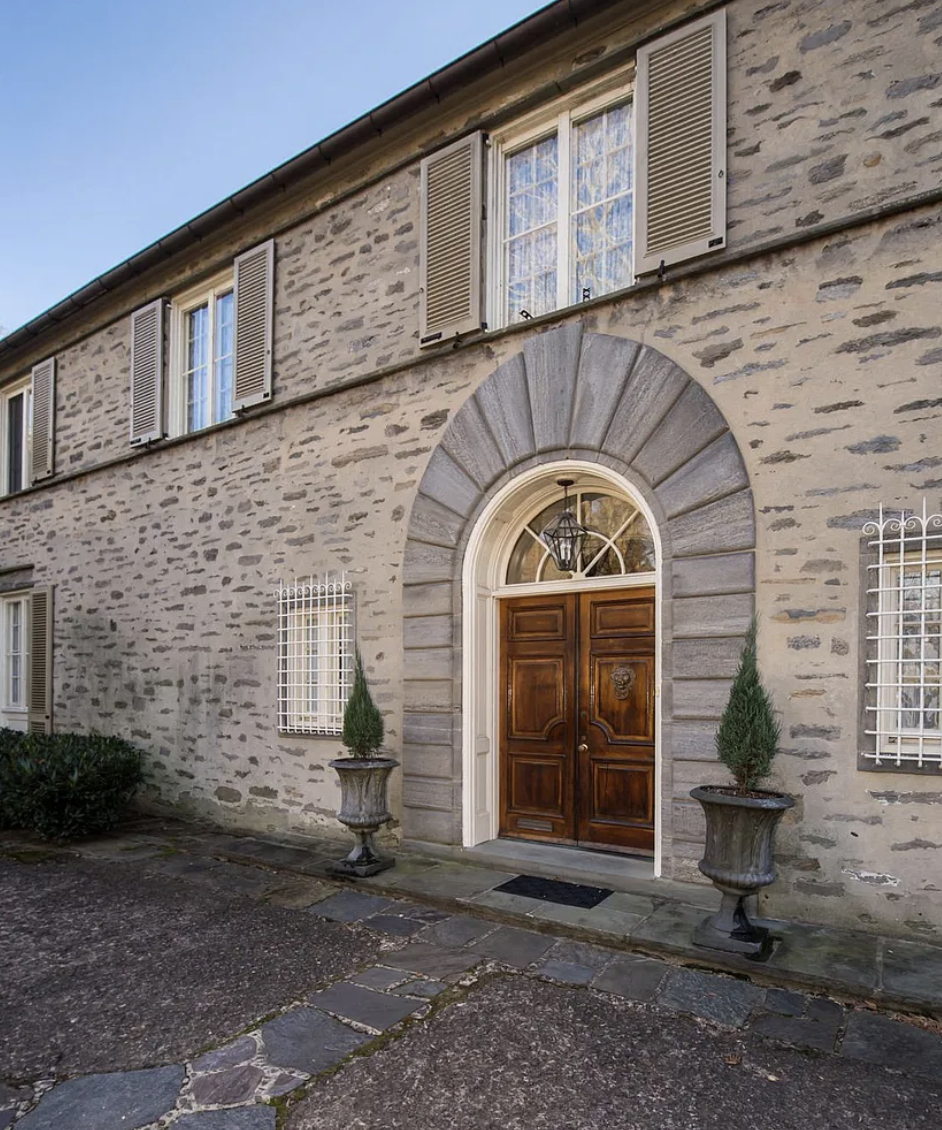
Transforming a 1925 Italian Revival home into a net-zero demonstrator requires weaving advanced energy systems into a historic framework. At La Primavera, geothermal wells, a Tesla Solar Roof, high-velocity HVAC, radiant floor heating, and high-performance Schüco windows and doors have been selected to deliver deep energy savings while meeting rigorous preservation standards. Together, these systems create an electrified, resilient, and low-carbon home—without compromising architectural character.
Tesla Solar Roof
Tesla Solar Roof + Powerwall Integration
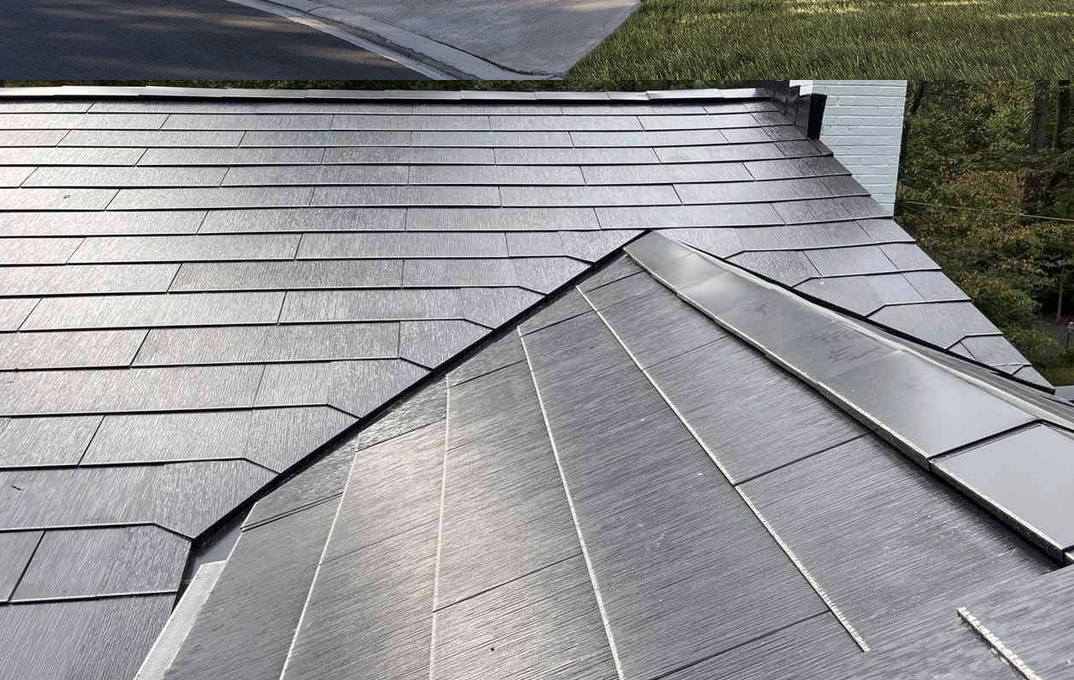
La Primavera’s deteriorated wood-shingle roof required full replacement, creating a preservation-aligned opportunity to adopt the Tesla Solar Roof and Tesla Powerwall battery system. Installed by American Home Contractors, a Tesla-certified installer, the graphite-colored glass tiles preserve the home’s historic profile while generating clean electricity. Their finish complements the exterior color of the new Schüco window systems, creating a unified aesthetic.
This concealed solar array will support full-home electrification and provide year-round renewable generation with future-ready battery storage.
Geothermal Heating & Cooling
Bosch Ground-Source Geothermal System
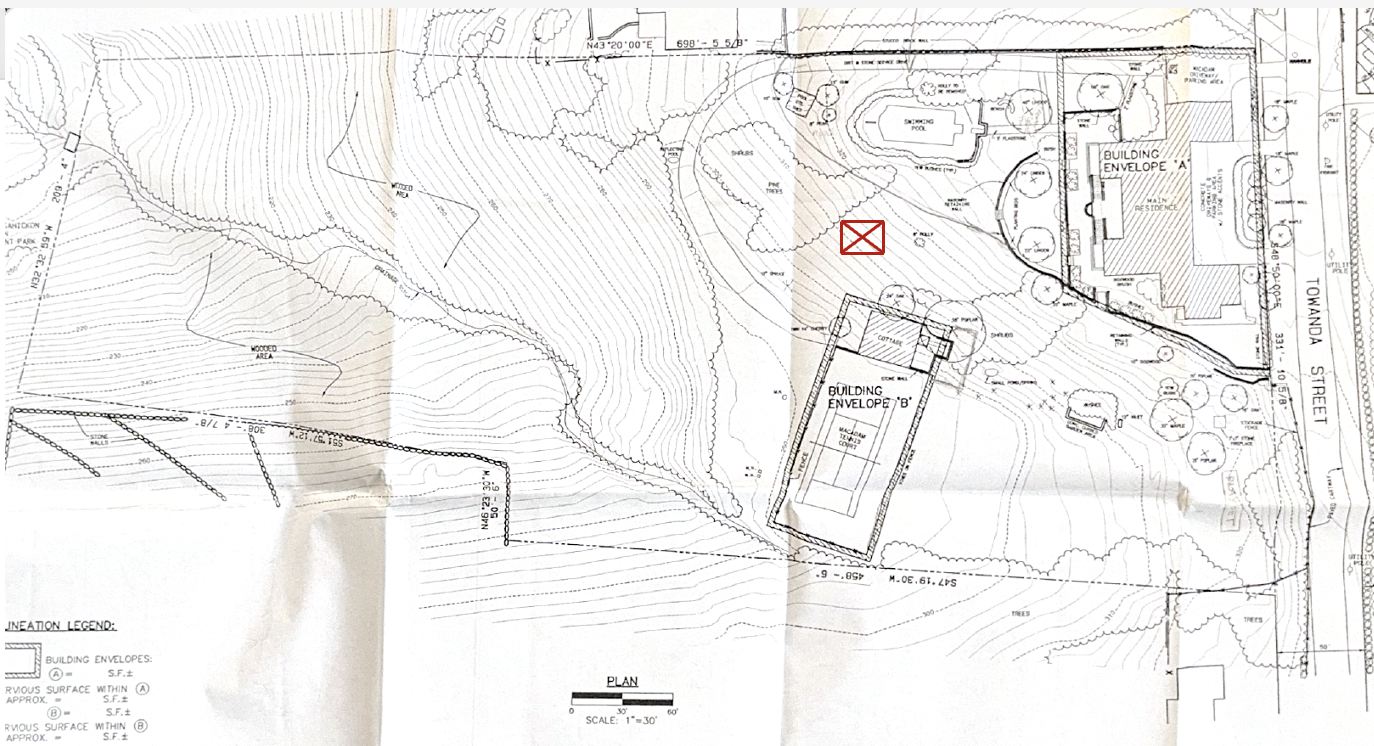
To eliminate visible outdoor condensers and reduce operational emissions, La Primavera is transitioning to a Bosch ground-source geothermal system designed and installed by Unique Heating & Cooling. Wells drilled on the property will connect to high-efficiency Bosch water-to-air and water-to-water heat pumps, delivering stable, all-electric heating and cooling with minimal architectural impact.
By keeping all major mechanicals out of public view, this geothermal system preserves the home’s historic character while dramatically lowering winter peak demand and supporting whole-home electrification.
Schüco Triple-Glazed Windows and Doors
Schüco AWS 75 BS.SI+ High-Performance Windows & Doors
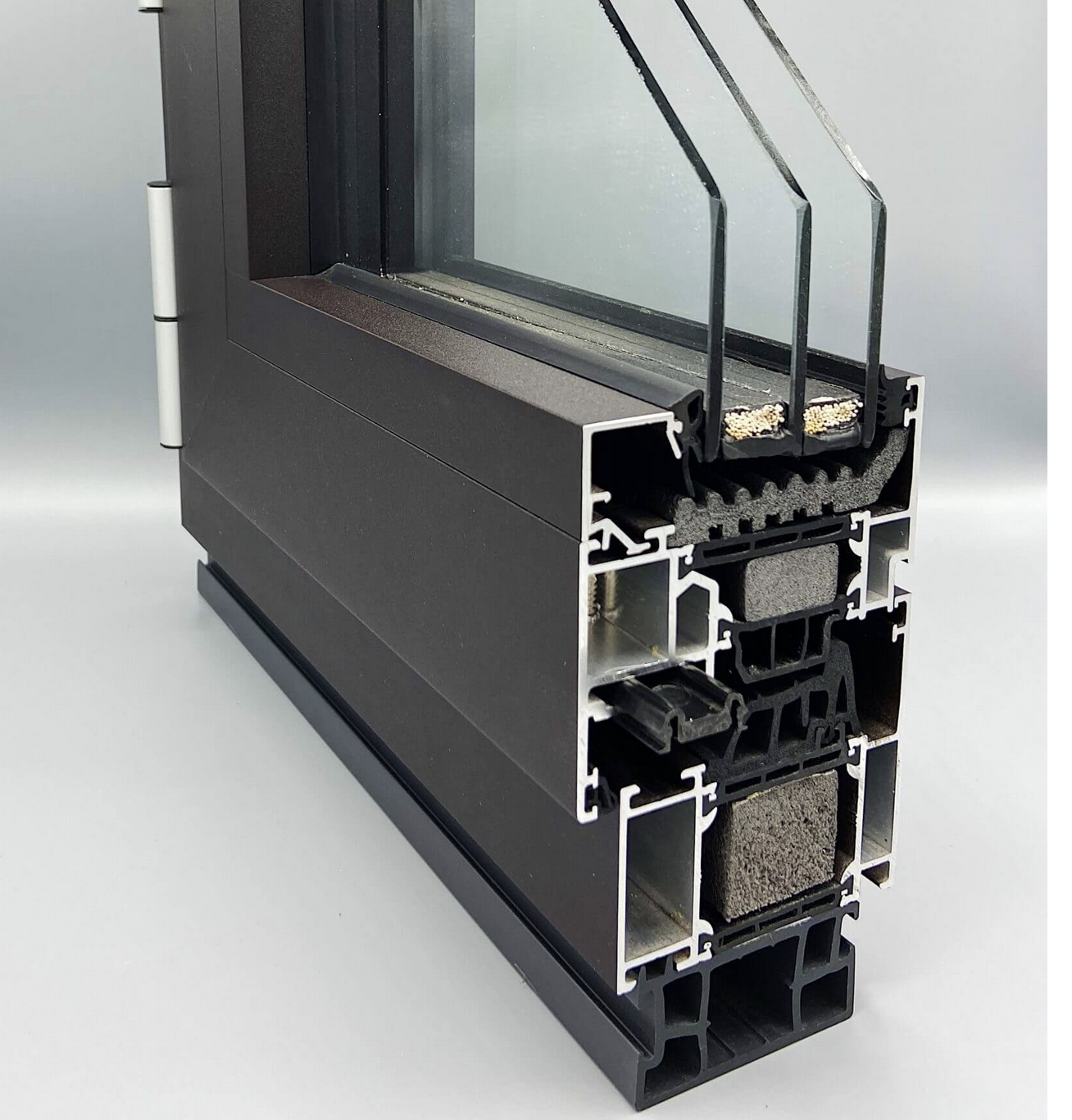
La Primavera’s original wood windows exhibited deterioration and significant heat loss, prompting replacement with custom Schüco AWS 75 BS.SI+ triple-glazed units installed by Eco Remodeling (lead installer: John Mokas).
These aluminum-clad assemblies replicate the home’s original proportions, muntin profiles, and shadow lines while delivering exceptional thermal performance.
Finished in RAL 9004 to complement the Tesla Solar Roof, the Schüco system aligns with NPS preservation guidelines and substantially reduces air leakage and conductive heat loss—supporting geothermal and radiant systems without altering historic character.
Unlock the Net-Zero Energy Systems Library
Designing a net-zero home requires coordinated integration across solar, geothermal, HVAC, thermal storage, hydronics, and high-performance windows. Inside the Members Library, you’ll find the technical drawings, specifications, diagrams, and practical guidance behind La Primavera’s whole-home electrification — resources you can adapt for your own home or professional projects.
⚡Solar & Storage + Building Envelope
Tesla Solar Roof layout diagrams and electrical integration
Tesla Powerwall configuration, inverter placement, and load balancing
Production modeling + annual offset projections
Schüco AWS 75 window and door schedule
Triple-glazing performance (Ug, Uw, SHGC) and thermal modeling
How envelope performance affects geothermal + HVAC sizing
🌱Geothermal Heating & Cooling
Bosch water-to-air & water-to-water geothermal heat pump specifications
Geothermal well field diagrams, depths, spacing, and loop layout
Hydronic integration with radiant floor systems
High-velocity HVAC plenum and micro-duct routing
Air handler placement strategies that preserve interiors
Sequencing template for geothermal + HVAC installations
🔥 Hydronics & Thermal Energy
Radiant floor CAD plans for first & second floors
Buffer tank + mixing valve configurations
TES (Thermal Energy Storage) strategies for peak shifting
Heat Pump Water Heater installation notes
Controls logic: geothermal ↔ hydronics ↔ TES ↔ HPWH
Sequencing templates for commissioning
Lessons learned from multi-system integrations